
NOMINATED FOR THE ACADEMIC RESEARCH PRIZE
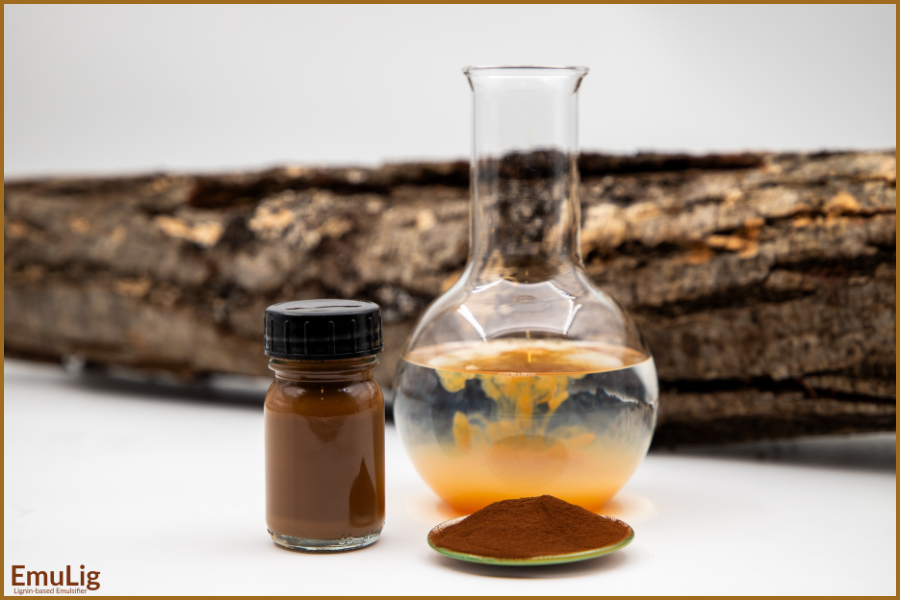
EmuLig : A Multifunctional Lignin-Based Emulsifier for Sustainable Cosmetic Formulations, Polytechnic Institute of Braganza - Portugal
This project addresses the topic of sustainable cosmetic ingredients by transforming lignin, a renewable and abundant by-product of the pulp and biorefinery industries, into EmuLig, a multifunctional, high-performance emulsifier. Produced by a proprietary green process, EmuLig offers stabilizing, antioxidant, SPF-stimulating and thickening properties, replacing fossil and synthetic ingredients. It supports a circular value chain and reduces the environmental footprint of cosmetic formulations.
Presentation of the holder:
The Polytechnic Institute of Braganza (Portugal) is a public institution of higher education focused on teaching, applied research and technological innovation, fostering a strong collaboration with industry.
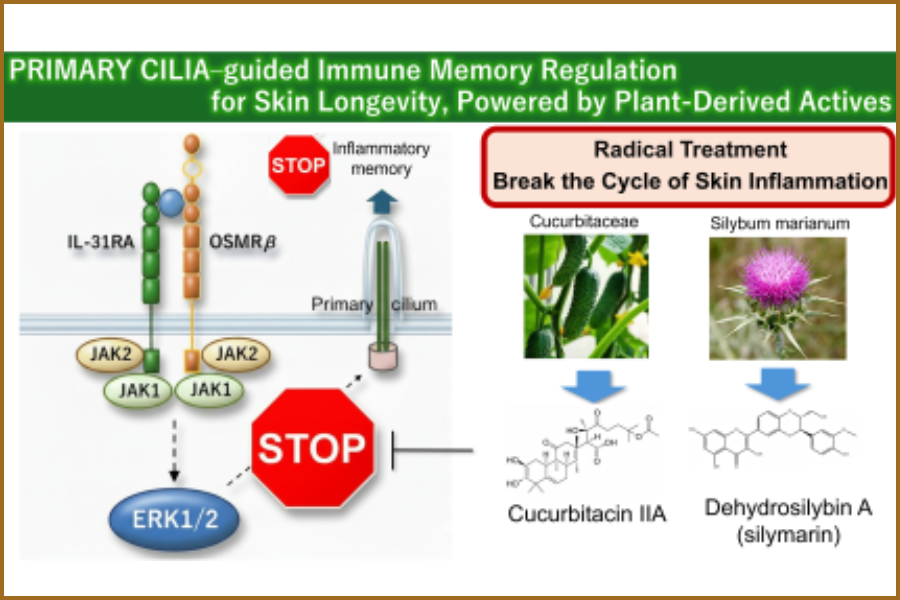
From Biology to Beauty: Primary Cilia–Controlled Cosmetics for Immune Memory Regulation and Sustainable Innovation, University of Osaka - Japan
This project demonstrates that primary cilia, which govern immune memory, cause chronic inflammation of the skin that can lead to atopic dermatitis or psoriasis. Botanical active ingredients (silymarin and cucurbitacin IIA) have been identified that suppress ciliogenesis while strengthening the skin barrier. Targeting immune memory, not symptoms, represents a paradigm shift in skincare. This approach brings efficiency while reducing the chemical, medical and skin burden, and decreasing the use of resources in production and the supply chain, thanks to the botanical actives used, to support "sustainability" in cosmetics.
Presentation of the holder :
The "Laboratory of Advanced Cosmetic Science" established by Mandom Corp at Osaka University, conducts dermatological research in collaboration with clinicians and scientists from various fields.
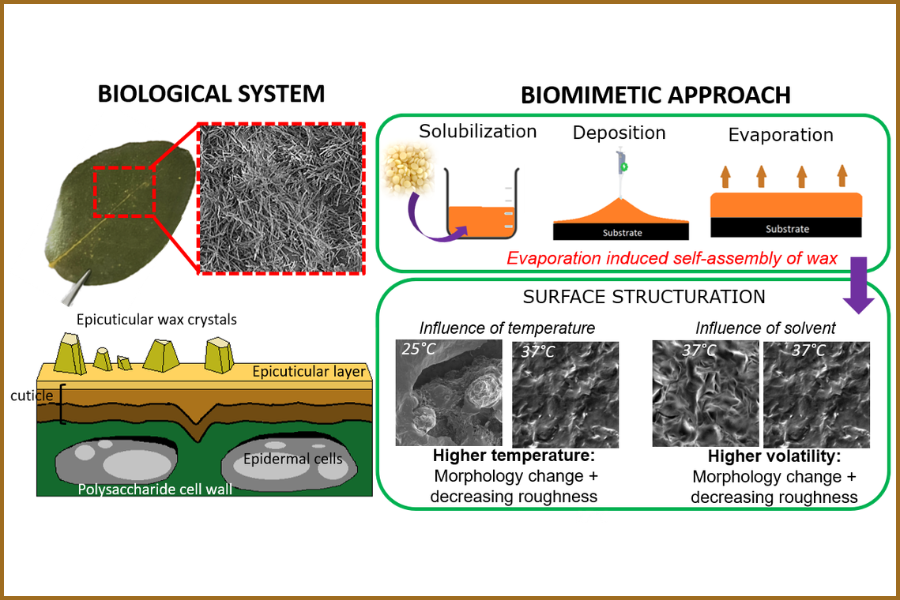
Nature's Blueprint on Skin: A Next-Generation Cosmetic Solution, University of Pau - France
The project is developing a one-step biomimetic approach to protect human skin from UV rays by replicating the photoprotection mechanism observed on plant leaves. The work focuses on the optical diffusion capacity of a structured wax film of plant origin on the surface of the skin (ex-vivo). The work provides fundamental insights using cosmetic-friendly organic solvents, as part of the development of targeted water-based formulations for skin care as a sustainable solution in cosmetics.
Presentation of the wearer:
The Bioinspired Materials Group (BIM) of IPREM (UPPA/CNRS UMR5254) is a research laboratory jointly supported by the University of Pau and the CNRS, where research focuses mainly on the development of materials inspired by nature for a more sustainable future.
NOMINATED FOR THE INDUSTRIAL INNOVATION PRIZE
Development of a range of functional agents made from duckweed sourced in France, Lemnalabs - France
Lemna Labs is developing a range of cosmetic functional agents (emulsifiers, gelling agents, foaming agents) based on lentils, as a sustainable alternative to palm and soy derivatives. Made from an abundant local biomass, these biodegradable ingredients offer great performance at low doses. The project builds a sovereign supply chain, with a low environmental and social impact, for the clean beauty industry.
Presentation of the holder:
Lemna Labs recycles lentils, a tiny, fast-growing floating aquatic plant, to produce high-performance cosmetic and food ingredients.
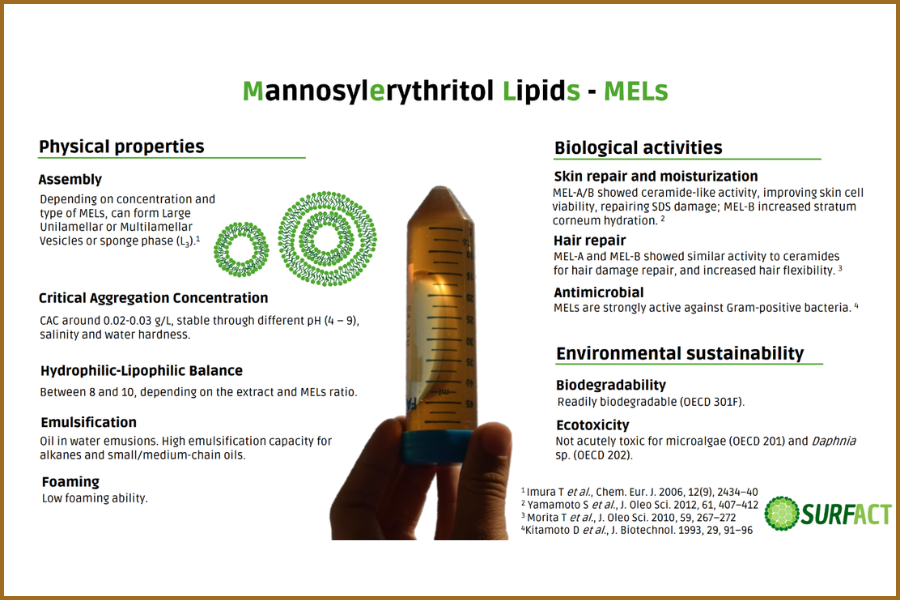
Sustainable Multifunctional Biosurfactants from Circular Bio-Resources for Cosmetic Formulations, SurfactInnov – Portugal
At SurfACT, microorganisms are used as factories to produce multifunctional biosurfactants with great potential for cosmetic applications. Sustainability is a key aspect both at the process level, through the use of agro-industrial residues as substrates for cell growth, and at the product level, by providing ingredients with low ecotoxicity and high biodegradability. Through bioprocess optimization and formulation development, SurfACT aims to introduce these molecules to the cosmetics sector, accelerating the ecological transition and reducing the dependence on petrochemical materials.
Presentation of the holder:
Surfactinnov is a start-up from the Institute of Bioengineering and Biosciences of Técnico (Lisbon), founded in 2024 by researchers aiming to bring to market sustainable and high-performance molecules from biotechnology, from the laboratory.
Microbial Exopolysaccharides, Cellugy - Denmark
Cellugy develops biofabricated microbial exopolysaccharides (EPS) as sustainable, high-performance rheology modifiers for cosmetics. These biodegradable, fossil-free ingredients replace petrochemical-based additives, reducing microplastics and environmental impact. EPS enhance texture, stability, and skin benefits, aligning with scientific progress powering sustainability in cosmetics by enabling simplified, multifunctional formulations without compromising efficacy.
Presentation of the holder:
Cellugy is a biotech company producing sustainable, biofabricated exopolysaccharides for cosmetics, offering biodegradable, high-performance ingredients that replace fossil-based additives.